How to Grow Coastal Redwood Seeds: A Step-by-Step Guide
From Sacred Plant Co's Guide to Growing a Coastal Redwood
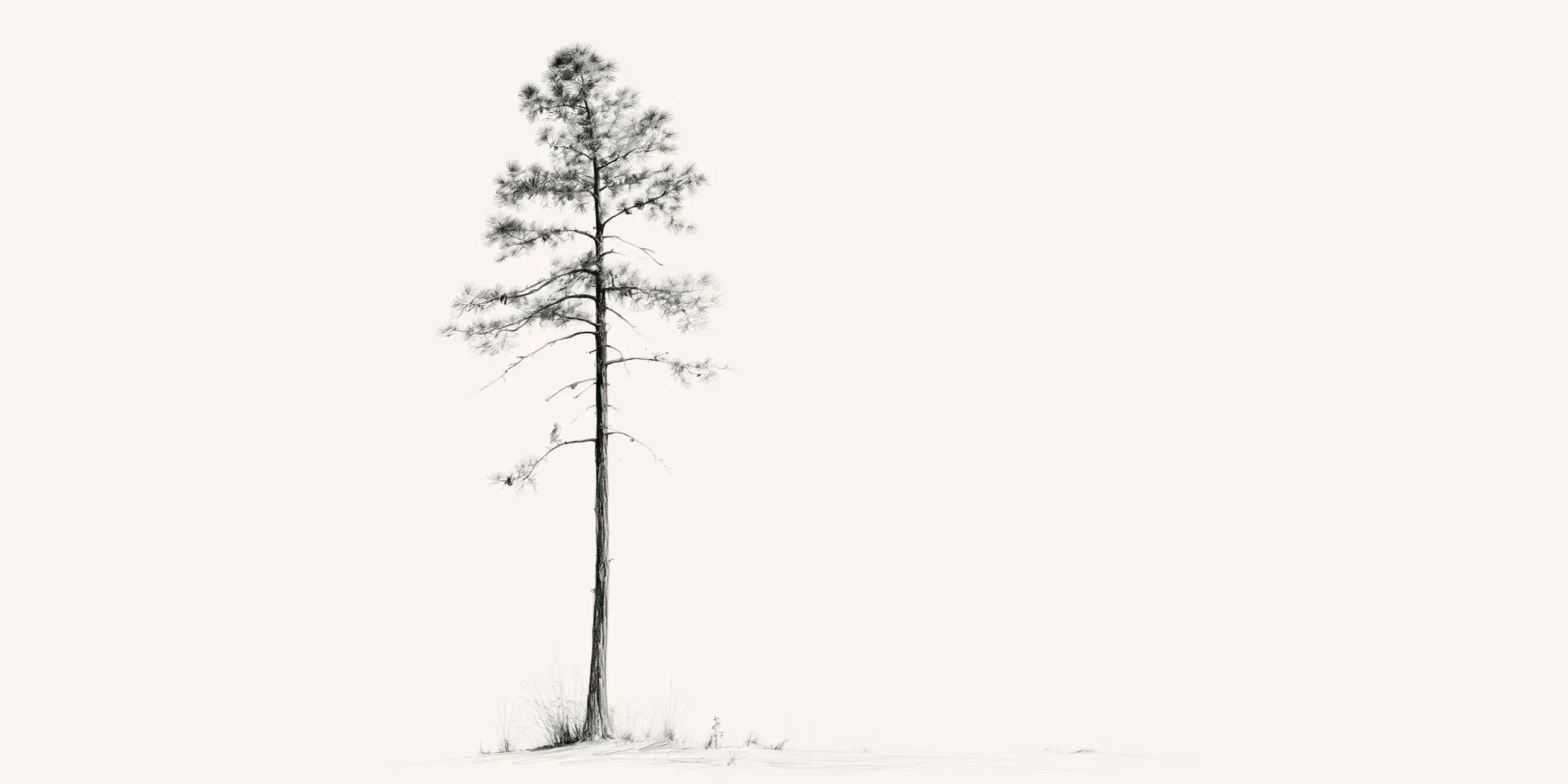
The Coastal Redwood is one of nature's grandest marvels, towering as the tallest tree species on Earth. Native to the misty coastal regions of California and Oregon, these trees can live for thousands of years and grow over 300 feet tall.
Step 1: Prepare for Cold Stratification
Coastal Redwood seeds require a period of cold stratification to mimic the natural conditions they experience in the wild.
- Moisten a Medium: Prepare a mix of damp sand or peat moss. It should be moist but not soaking.
- Mix Seeds: Place the seeds into the medium, ensuring they are evenly distributed and not clumped together.
- Refrigerate: Seal the mix in a plastic bag or container and store it in the refrigerator at 35–40°F (2–4°C) for 30–60 days.
- Check Regularly: Ensure the medium remains moist but not waterlogged during this period.
Step 2: Prepare a Growing Medium
Coastal Redwoods prefer well-draining, nutrient-rich soil. Use a seed-starting mix or create your own blend of equal parts compost, sand, and peat moss.
- Fill Containers: Fill small pots or seed trays with the prepared growing medium.
- Moisture Check: Lightly water the soil to ensure it is uniformly moist but not soggy.
Step 3: Plant the Seeds
Once the cold stratification period is complete:
- Plant Depth: Place each seed about 1/4 inch (6 mm) deep into the soil. Cover lightly with a thin layer of soil or sand.
- Spacing: If planting multiple seeds in a tray, space them at least 2 inches apart to allow for root development.
Provide the Right Environment
Coastal Redwood seeds need specific conditions to germinate and thrive:
- Temperature: Maintain a consistent temperature between 65–75°F (18–24°C).
- Light: Place the pots in a location with bright, indirect sunlight or use a grow light to provide at least 12 hours of light daily.
- Humidity: Keep the humidity high by misting the soil or placing a plastic dome over the pots. Ensure proper ventilation to prevent mold growth.
Watering and Care
- Moisture: Keep the soil consistently moist but not waterlogged. Coastal Redwoods thrive in humid environments.
- Drainage: Ensure proper drainage to prevent root rot.
Germination
Germination can take 30–90 days, so patience is key. Once the seedlings emerge:
- Thin Out: If multiple seeds were planted together, thin them out to the strongest seedlings to avoid competition.
- Fertilize: Begin applying a diluted, balanced liquid fertilizer once a month to encourage healthy growth.
Transplanting Seedlings
Once the seedlings have grown 4–6 inches tall and developed a robust root system, transplant them into larger pots or directly into the ground.
- Choose the Right Spot: Coastal Redwoods prefer locations with cool temperatures, high humidity, and plenty of room to grow.
- Soil: Select well-draining, acidic soil enriched with organic matter.
- Watering: Continue to water consistently, especially during dry periods.
Long-Term Care
- Mulching: Apply mulch around the base of the tree to retain soil moisture and regulate temperature.
- Pruning: Minimal pruning is needed, but remove dead or damaged branches as necessary.
- Protection: Protect young trees from strong winds and frost in their early years.
Join Redwoods Design System Community
If you're looking for a community of like-minded learners, review the Redwoods Design System Community values to see if joining is a good fit.